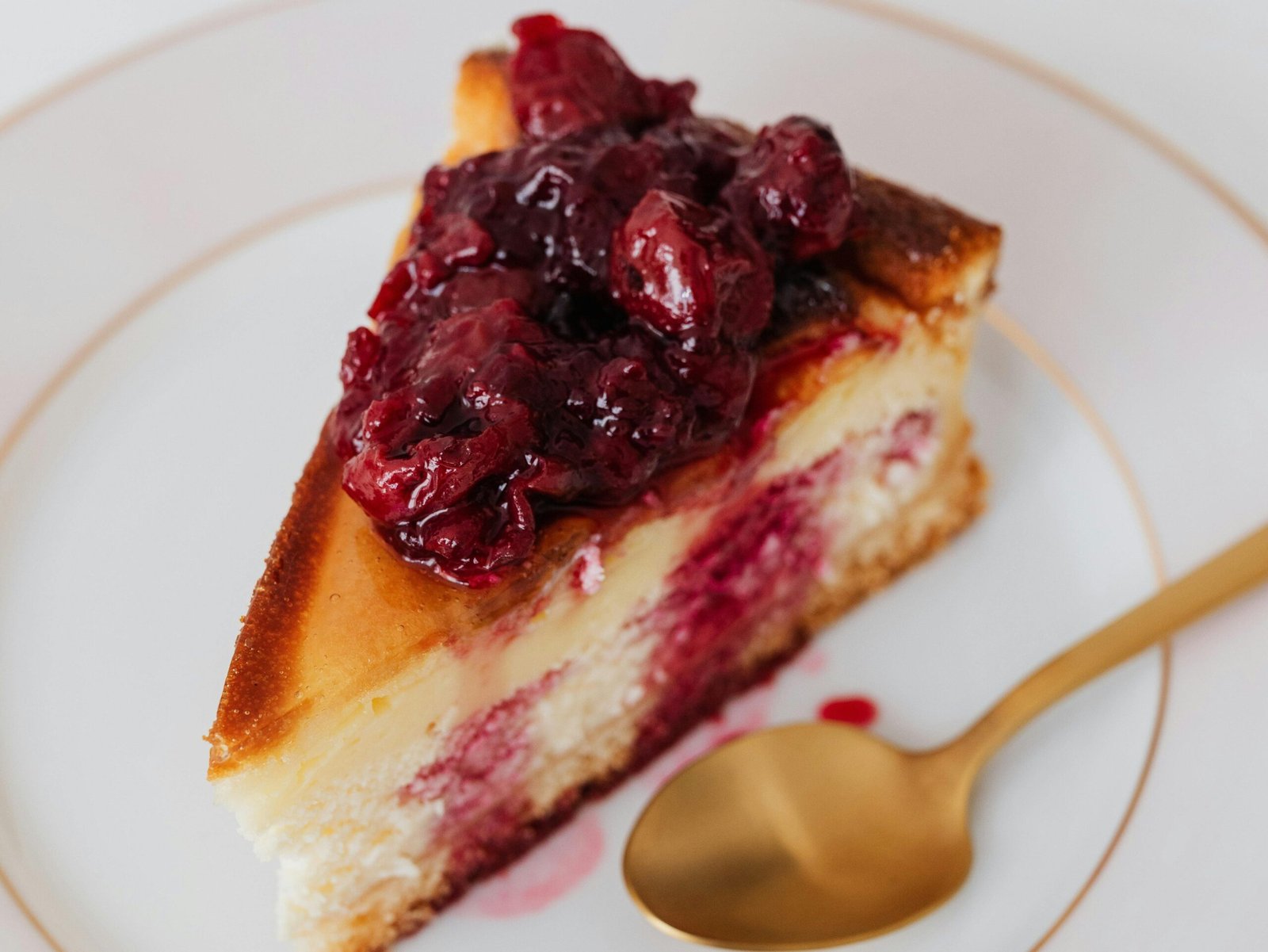
Few desserts in the world can rival the creamy, indulgent perfection of a cheesecake. Whether you enjoy a classic New York-style slice, a fruity swirl, or a baked chocolate version, cheesecakes have a special way of making any occasion feel a little more luxurious. But behind that smooth texture and melt-in-your-mouth richness lies centuries of culinary evolution, science, and artistry.
In this blog, we’ll dive deep into the world of cheesecakes — exploring their origins, types, baking techniques, popular flavors, and some professional tips to help you make the perfect cheesecake at home.
🧀 What Is a Cheesecake?
Despite its name, cheesecake isn’t technically a cake in the traditional sense. It’s more accurately a custard or tart — made primarily with cream cheese, eggs, and sugar on a base of crushed cookies or graham crackers. The filling is smooth and dense, while the crust provides a crunchy contrast.
The magic of cheesecake lies in its balance: creamy yet firm, rich yet not overwhelming, and sweet with just the right hint of tang from the cheese.
🕰️ A Brief History of Cheesecake
Believe it or not, cheesecakes are ancient. Their history dates back more than 4,000 years!
1. The Greek Origins
The earliest recorded cheesecakes were made in ancient Greece, around 2000 BC. Archaeologists discovered molds on the island of Samos that were used to prepare a cheese-based dessert. Cheesecake was even served to athletes during the first Olympic Games in 776 BC as a source of energy!
These early versions were simple — made from fresh cheese, honey, and wheat — quite different from what we know today.
2. The Roman Twist
When the Romans conquered Greece, they adopted and adapted the recipe, calling it “Placenta.” They added eggs and baked the mixture under a hot brick. As the Roman Empire expanded, the cheesecake spread throughout Europe.
3. The European Evolution
By the Middle Ages, cheesecake recipes were popular across England, France, and Italy. European versions used soft curd cheeses like ricotta and farmer’s cheese. Each region added its twist — fruits, nuts, or flavorings like lemon and vanilla.
4. The American Revolution (of Cheesecake!)
Cheesecake as we know it today took shape in the United States in the late 19th century. In 1872, a New York dairyman named William Lawrence accidentally created cream cheese while trying to replicate a French cheese called Neufchâtel. This rich, creamy cheese became the foundation of modern cheesecakes.
Soon after, New York-style cheesecake emerged — dense, smooth, and iconic.
🍰 Types of Cheesecakes Around the World
Cheesecake is a truly global dessert, and every region has its own interpretation. Let’s explore the most popular varieties:
1. New York-Style Cheesecake
The gold standard!
Made with cream cheese, heavy cream (or sour cream), sugar, and eggs — baked on a graham cracker crust. It’s rich, velvety, and slightly tangy. Sometimes served plain, or topped with strawberry or blueberry compote.
Signature trait: Dense and creamy texture with a golden top.
2. Chicago-Style Cheesecake
This version uses more cream cheese and less sour cream, creating a slightly firmer exterior but an incredibly soft and creamy center. It’s usually baked in a deep dish.
Signature trait: Slightly crumbly edges with a custard-like middle.
3. Italian Cheesecake
Made using ricotta cheese instead of cream cheese. It’s lighter, less dense, and has a grainier texture. Often flavored with citrus zest, vanilla, or a touch of Marsala wine.
Signature trait: Airy and mildly sweet, often dusted with powdered sugar.
4. Japanese Cheesecake (Soufflé Cheesecake)
A lighter, jiggly version that combines cream cheese with whipped egg whites to create an airy, cloud-like texture. It’s mildly sweet and melts in your mouth.
Signature trait: Fluffy, bouncy, and low in sugar.
5. No-Bake Cheesecake
A modern and easy version that doesn’t require baking. The filling is stabilized with gelatin or whipped cream and chilled until set. Perfect for warm climates or quick desserts.
Signature trait: Light, creamy, and refreshing.
6. Basque Burnt Cheesecake
Originating from the Basque region of Spain, this version is baked at a high temperature, intentionally caramelizing (and even burning) the top. The inside remains creamy and slightly gooey.
Signature trait: Rustic look with a burnt crust and soft core.
7. Vegan Cheesecake
Made with non-dairy alternatives such as cashew cream, coconut milk, tofu, or vegan cream cheese. It retains the classic creamy texture while being completely plant-based.
Signature trait: Dairy-free but indulgently rich.
🧂 The Science Behind a Perfect Cheesecake
Baking a cheesecake is both an art and a science. Understanding a few key principles can help you master the perfect texture and taste.
1. Cheese Choice
Cream cheese is the heart of a cheesecake. Use full-fat blocks (not spreadable types) for the best consistency. Soft cheeses like ricotta or mascarpone can be blended for lighter textures.
2. Eggs
Eggs act as a binder and emulsifier, holding the creamy mixture together. Overbeating them, however, introduces air, which causes cracks during baking.
3. Temperature
Cheesecakes bake best at low temperatures. A water bath (bain-marie) prevents the top from cracking and ensures even cooking.
4. Cooling
Cooling slowly is crucial. Sudden temperature changes cause cracks. Allow the cheesecake to rest in the oven (door slightly open) before refrigerating for several hours.
🍪 The Perfect Cheesecake Crust
The crust sets the stage for the creamy filling. The most common base is made from crushed graham crackers mixed with butter and sugar. However, there are endless variations:
- Digestive biscuits – for a more European touch
- Oreo cookies – for chocolate cheesecakes
- Ginger snaps – for spicy or autumn flavors
- Crushed nuts – for added crunch and richness
Pro Tip: Bake your crust for 8–10 minutes before adding the filling. It enhances the flavor and prevents sogginess.
🍓 Classic New York Cheesecake Recipe
Here’s a foolproof recipe to make your own creamy masterpiece at home.
Ingredients
For the crust:
- 2 cups crushed graham crackers
- ½ cup unsalted butter, melted
- 2 tbsp sugar
For the filling:
- 900 g (around 4 cups) cream cheese, softened
- 1 cup granulated sugar
- 1 cup sour cream or heavy cream
- 1 tsp vanilla extract
- 3 large eggs
- 2 tbsp all-purpose flour (optional, for structure)
For topping (optional):
- Strawberry or blueberry compote
- Fresh fruits or whipped cream
Method
- Preheat oven: 160°C (325°F).
- Prepare the crust: Mix crushed crackers, melted butter, and sugar. Press firmly into a springform pan. Bake for 10 minutes and set aside.
- Make the filling:
- Beat cream cheese until smooth.
- Add sugar and continue mixing.
- Add eggs one at a time, mixing gently.
- Blend in sour cream, vanilla, and flour.
- Pour into crust and smooth the top.
- Bake in a water bath for about 60–70 minutes until edges are set but the center slightly jiggles.
- Cool gradually: Leave in the oven with the door open for 1 hour. Then refrigerate for at least 6 hours or overnight.
- Serve chilled with your favorite topping.
🌈 Creative Cheesecake Flavors You Must Try
The beauty of cheesecake lies in its versatility. Here are some mouthwatering variations to experiment with:
🍫 Chocolate Cheesecake
Decadent and rich, made by melting dark chocolate into the batter. Add a chocolate cookie crust for extra indulgence.
🍓 Strawberry Swirl Cheesecake
A swirl of strawberry puree through the filling gives a beautiful marbled look and fruity tang.
☕ Coffee Cheesecake
Blend in espresso or instant coffee powder for a mocha twist — perfect for coffee lovers.
🍋 Lemon Cheesecake
Refreshing and light, with lemon zest and juice to balance the richness.
🥥 Coconut Cheesecake
Add coconut milk and desiccated coconut to the batter. Perfect with tropical fruit toppings.
🍎 Caramel Apple Cheesecake
A layer of spiced apples topped with creamy cheesecake and drizzled caramel — a fall favorite.
🌱 Matcha Cheesecake
Green tea powder adds a unique flavor and vibrant color, often used in Japanese-style cheesecakes.
🧁 No-Bake Cheesecake: A Quick Delight
If baking feels intimidating, the no-bake version is your best friend.
Ingredients
- 200 g digestive biscuits
- 100 g melted butter
- 400 g cream cheese
- 200 ml whipped cream
- ½ cup sugar
- 1 tbsp lemon juice
- 1 tsp vanilla extract
- 1 tbsp gelatin (or agar-agar for vegetarian version)
Method
- Mix crushed biscuits and butter to form the crust. Chill for 30 minutes.
- Dissolve gelatin in warm water.
- Beat cream cheese, sugar, lemon juice, and vanilla.
- Fold in whipped cream and gelatin.
- Pour over crust and chill for 6–8 hours.
- Top with fruits or sauces before serving.
Light, creamy, and easy — this version is perfect for beginners.
💡 Pro Tips for Perfect Cheesecake Every Time
- Use room-temperature ingredients — prevents lumps.
- Avoid overmixing once eggs are added.
- Water bath ensures creamy texture without cracks.
- Don’t open the oven while baking — it causes sudden drops in temperature.
- Chill overnight before slicing for clean cuts.
- Use a hot, clean knife to slice perfectly smooth portions.
🍰 Cheesecake in Modern Baking Culture
Today, cheesecakes have evolved far beyond the classic baked version. Bakeries and home bakers experiment with hybrid forms such as:
- Cheesecake brownies
- Cheesecake jars
- Mini cheesecakes and cupcakes
- Baked cheesecake bars
- Layered cheesecakes with mousse or chocolate ganache
Cheesecake has also become a popular choice for birthdays and weddings, offering a delicious alternative to traditional sponge cakes.
🌍 Cheesecake Trends Around the World
- Japan – Soufflé cheesecakes and “rare” (no-bake) cheesecakes dominate.
- Korea – Cheese tarts and mini cups are popular café treats.
- India – Fusion flavors like mango, gulab jamun, and rose-pistachio cheesecake have gained popularity.
- USA & Europe – Basque burnt cheesecakes and seasonal fruit cheesecakes trend on café menus.
Cheesecake has become a canvas for creativity, bridging cultures through dessert.
❤️ Why Cheesecake Will Always Be a Favorite
- Versatility: It fits every occasion — from birthdays to weddings to casual gatherings.
- Timeless appeal: Its combination of creamy and tangy flavors never gets old.
- Customizable: Works with endless toppings, crusts, and fillings.
- Comfort food factor: Every bite feels luxurious and comforting.
There’s a reason cheesecake has stood the test of time — it’s more than a dessert; it’s an experience of pure indulgence.
🎂 Final Thoughts
Cheesecake is not just a dessert; it’s a story — one that began in ancient Greece and continues to evolve in kitchens worldwide. From the dense elegance of a New York slice to the airy fluffiness of a Japanese version, every cheesecake tells its own tale of texture, flavor, and passion.
So whether you’re baking for a special occasion or just to treat yourself, remember: a great cheesecake is made with patience, quality ingredients, and love.
Next time you take that creamy bite, savor not just the flavor, but the centuries of craftsmanship that made it possible.