There was a time when the word “vegan” was associated with boring salads, bland tofu, and limited food choices. Desserts, especially cakes, were considered off-limits for those avoiding animal products. However, times have changed beautifully — and deliciously. Today, vegan cakes are one of the most exciting and innovative areas in the world of baking. They are moist, rich, flavorful, and in many cases, even more delightful than traditional cakes.
Whether you are vegan, lactose-intolerant, allergic to eggs, health-conscious, or simply curious, vegan cakes offer a world of indulgence without compromise. In this blog, we will explore what vegan cakes are, why they are becoming so popular, what ingredients make them so special, and how they can be created in a home or professional bakery.
Welcome to the wonderful world of vegan cakes — where kindness meets creativity and flavor knows no limits.
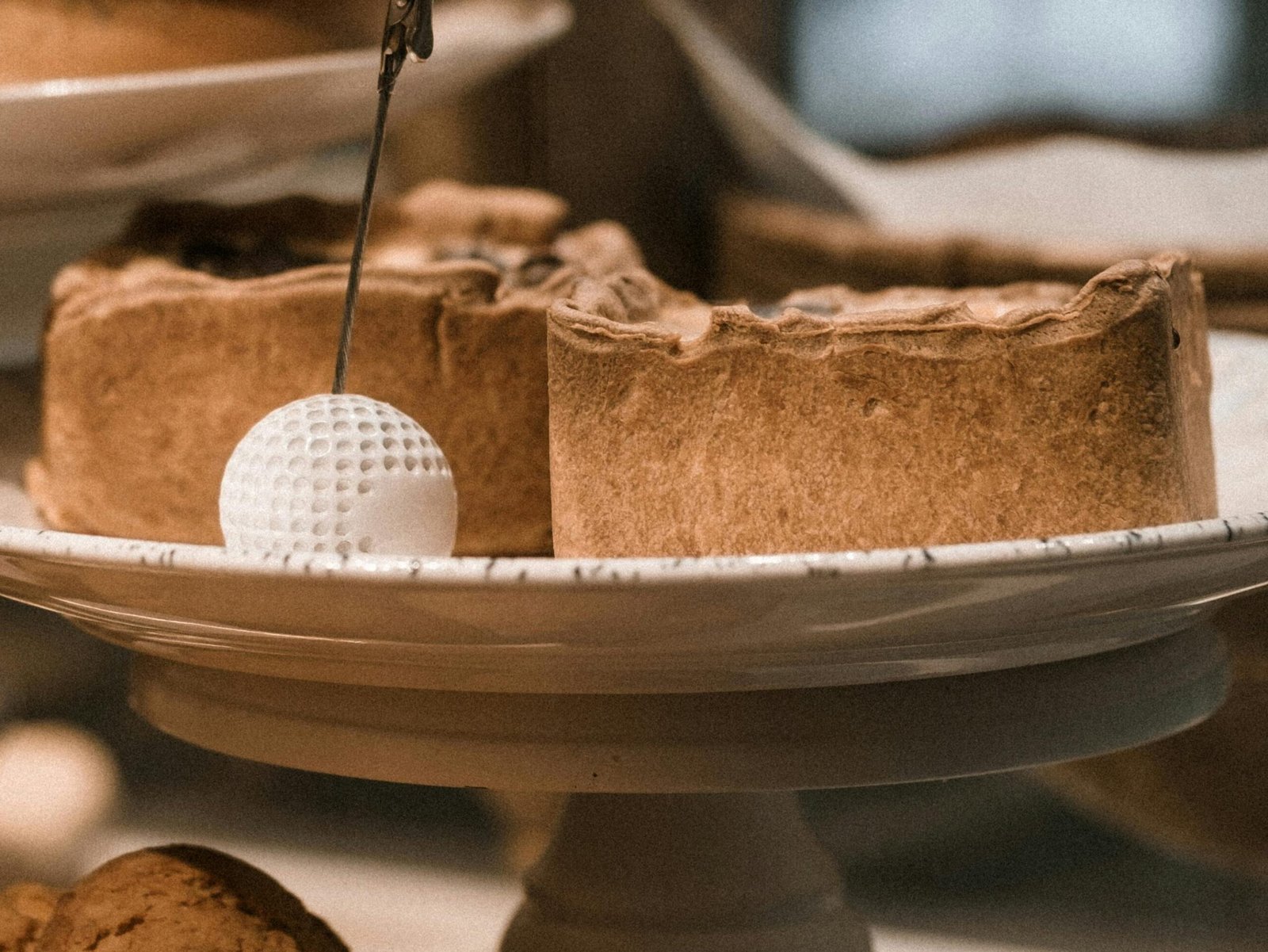
What Exactly Is a Vegan Cake?
A vegan cake is a cake that does not include any animal-derived ingredients. That means no eggs, no milk, no butter, no cream, and no honey. Instead, plant-based alternatives are used to create the same texture, structure, and taste that we normally associate with standard cakes.
This might seem impossible at first. After all, eggs give structure, butter adds richness, and milk adds moisture. How can a cake exist without these essential ingredients?
The answer lies in the magic of plant-based substitutes. Over the years, bakers have discovered numerous natural alternatives that mimic the function of animal products perfectly:
- Plant-based milk such as almond milk, soy milk, oat milk, and coconut milk replace dairy milk.
- Vegetable oils, coconut oil, or vegan butter replace traditional butter.
- Fruit purees like mashed banana or applesauce can replace eggs.
- Flaxseeds or chia seeds mixed with water create a gel-like “egg” substitute.
- Baking soda and vinegar help create lift and lightness.
With the right balance of these ingredients, a vegan cake can be fluffy, soft, and incredibly delicious.
Why Are Vegan Cakes So Popular Today?
The popularity of vegan cakes has skyrocketed in recent years, and for good reason. The demand for plant-based desserts is not just a trend, but a reflection of a changing world. People are becoming more aware of their health, the environment, and animal welfare.
Here are some of the main reasons why vegan cakes are taking over bakeries worldwide:
1. Health Benefits
Vegan cakes often contain fewer saturated fats and cholesterol since they do not include dairy or eggs. They are frequently made with whole grains, nuts, seeds, and natural sweeteners, making them a healthier alternative to traditional cakes when prepared mindfully.
For individuals with lactose intolerance, egg allergies, or certain dietary restrictions, vegan cakes provide a safe and satisfying option.
2. Environmental Impact
Animal agriculture has a significant effect on the environment. By choosing plant-based ingredients, vegan baking contributes to a lower carbon footprint, reduced water consumption, and a more sustainable food system.
A vegan cake is not just a dessert — it’s a small conscious step toward a better planet.
3. Inclusivity in Celebrations
One of the most beautiful things about vegan cakes is their inclusivity. They allow everyone — regardless of dietary restrictions, allergies, or beliefs — to enjoy the same cake together. From weddings to birthdays, baby showers to corporate events, vegan cakes ensure that no one feels left out.
Common Types of Vegan Cakes
Vegan cakes are not limited to just one or two flavors. In fact, almost every classic cake variety can be made vegan — and sometimes, even better.
Here are some of the most loved vegan cake varieties:
Vegan Chocolate Cake
Rich, dark, and decadent, the vegan chocolate cake is often the most popular option. Made with cocoa powder or melted dark chocolate, plant-based milk, and oil, it’s just as indulgent as the original.
Vegan Vanilla Cake
Light, fluffy, and perfect for layering, vegan vanilla cake serves as an excellent base for fruits, frostings, and fillings.
Vegan Red Velvet Cake
Using a combination of cocoa powder, plant milk, and plant-based frosting, vegan red velvet cake is a showstopper both in looks and taste.
Vegan Carrot Cake
Full of grated carrots, nuts, and warm spices, this cake is naturally moist and comforting.
Vegan Lemon Cake
Fresh, tangy, and bright, vegan lemon cake is perfect for summer celebrations and afternoon tea.
Vegan Cheesecake
Yes, even cheesecake can be vegan! Cashews, coconut cream, and plant-based ingredients come together to create a creamy, rich texture without any dairy at all.
Key Ingredients in Vegan Cake Baking
Baking a vegan cake is a science as much as it is an art. Understanding the role of each ingredient helps create the perfect vegan dessert.
1. Plant-Based Milk
Options include almond milk, soy milk, oat milk, coconut milk, and cashew milk. These provide the necessary moisture and texture.
2. Vegan Butter or Oil
Coconut oil, vegetable oil, or vegan butter substitutes help maintain moisture and richness.
3. Egg Replacements
Common replacements include:
- 1 tablespoon flaxseed powder + 3 tablespoons water = 1 egg
- ¼ cup applesauce = 1 egg
- Mashed banana
- Silken tofu
4. Natural Sweeteners
Sugar, maple syrup, agave syrup, coconut sugar, and dates make excellent plant-based sweeteners.
5. Leavening Agents
Baking powder and baking soda help the cake rise and keep it light.
These ingredients work together to form the structure and softness that makes vegan cakes so delightful.
A Simple Vegan Vanilla Cake Recipe
Here is a basic vegan vanilla cake recipe you can try at home or adapt in a bakery:
Ingredients:
- 2 cups all-purpose flour
- 1 cup sugar
- 1 teaspoon baking soda
- 1 teaspoon baking powder
- ½ teaspoon salt
- 1 ½ cups almond milk (or any plant-based milk)
- ½ cup vegetable oil
- 1 tablespoon apple cider vinegar
- 2 teaspoons vanilla extract
Method:
- Preheat your oven to 180°C and grease a cake tin.
- In a bowl, mix flour, sugar, baking soda, baking powder, and salt.
- In a separate bowl, mix almond milk, oil, vinegar, and vanilla.
- Combine wet and dry ingredients gently until smooth.
- Pour batter into the cake tin.
- Bake for 30–35 minutes or until a toothpick comes out clean.
- Let cool before frosting.
This simple recipe produces a soft, moist, and flavorful cake that can be customized with fruits, nuts, or vegan buttercream frosting.
Frosting Options for Vegan Cakes
The frosting is where creativity truly shines in a vegan cake. Some popular vegan frosting options include:
- Vegan buttercream made with plant-based butter and powdered sugar
- Coconut cream frosting
- Cashew-based cream frosting
- Dark chocolate ganache using coconut milk
- Fruit-based glazing
These frostings are rich, silk-smooth, and perfectly complement the cake layers.
Vegan Cakes in Professional Bakeries
More and more bakeries are now featuring vegan sections on their menus. At Nina Bakery, for example, vegan cakes are not treated as an “alternative” but as a specialty. They are crafted with the same artistry, detail, and premium ingredients as traditional cakes.
Customized vegan cakes for:
- Weddings
- Birthdays
- Anniversaries
- Corporate events
- Baby showers
- Festivals
…are becoming increasingly popular among both vegans and non-vegans alike.
Customers often express surprise when they realize a cake is vegan — “I couldn’t tell the difference!” is one of the most common compliments.
This proves that vegan desserts are not just a compromise — they are a celebration of flavor.
Decorating Vegan Cakes
Vegan cakes offer endless decorating possibilities:
- Fresh flowers and berries
- Edible gold
- Chocolate shards
- Vegan macarons
- Fruit compotes
Because of their natural moisture and structure, vegan cakes also hold shapes well and can be covered in fondant, ganache, or buttercream for artistic designs.
Whether you prefer a minimal, elegant style or an extravagant, multi-tiered masterpiece, vegan cakes can be designed to match any vision.
Common Myths About Vegan Cakes
Despite their popularity, some myths still exist around vegan cakes:
Myth 1: Vegan cakes are dry.
Truth: When baked properly, vegan cakes are even more moist than regular ones.
Myth 2: They don’t taste as good as normal cakes.
Truth: Many people cannot even tell the difference.
Myth 3: They are only for vegans.
Truth: Vegan cakes are for everyone — including people who just love good cake.
The Future of Vegan Baking
The future is undoubtedly plant-based. As more people adopt vegan or flexitarian lifestyles, the demand for high-quality vegan desserts will continue to rise.
Innovation is happening at an exciting rate. New plant-based products, nut milks, and sustainable alternatives are making vegan baking more adventurous and accessible than ever before.
Vegan cakes are no longer “different” — they are mainstream, stylish, inclusive, and here to stay.
They represent compassion, creativity, and consciousness — all wrapped in a delicious slice.
Final Thoughts: More Than Just a Cake
A vegan cake is not just flour, sugar, and substitutes. It is a philosophy baked into every layer. It is the belief that indulgence does not have to involve cruelty. It is the proof that kindness can be delicious. And it is the future of the baking world.
Whether you choose vegan cakes for your health, the environment, animals, or simply out of curiosity, one thing is certain — once you try a truly well-made vegan cake, there is no going back.
At the heart of every vegan cake lies a message:
You can enjoy sweetness while making a difference.
And that, perhaps, is the most beautiful ingredient of all.